Teen Support
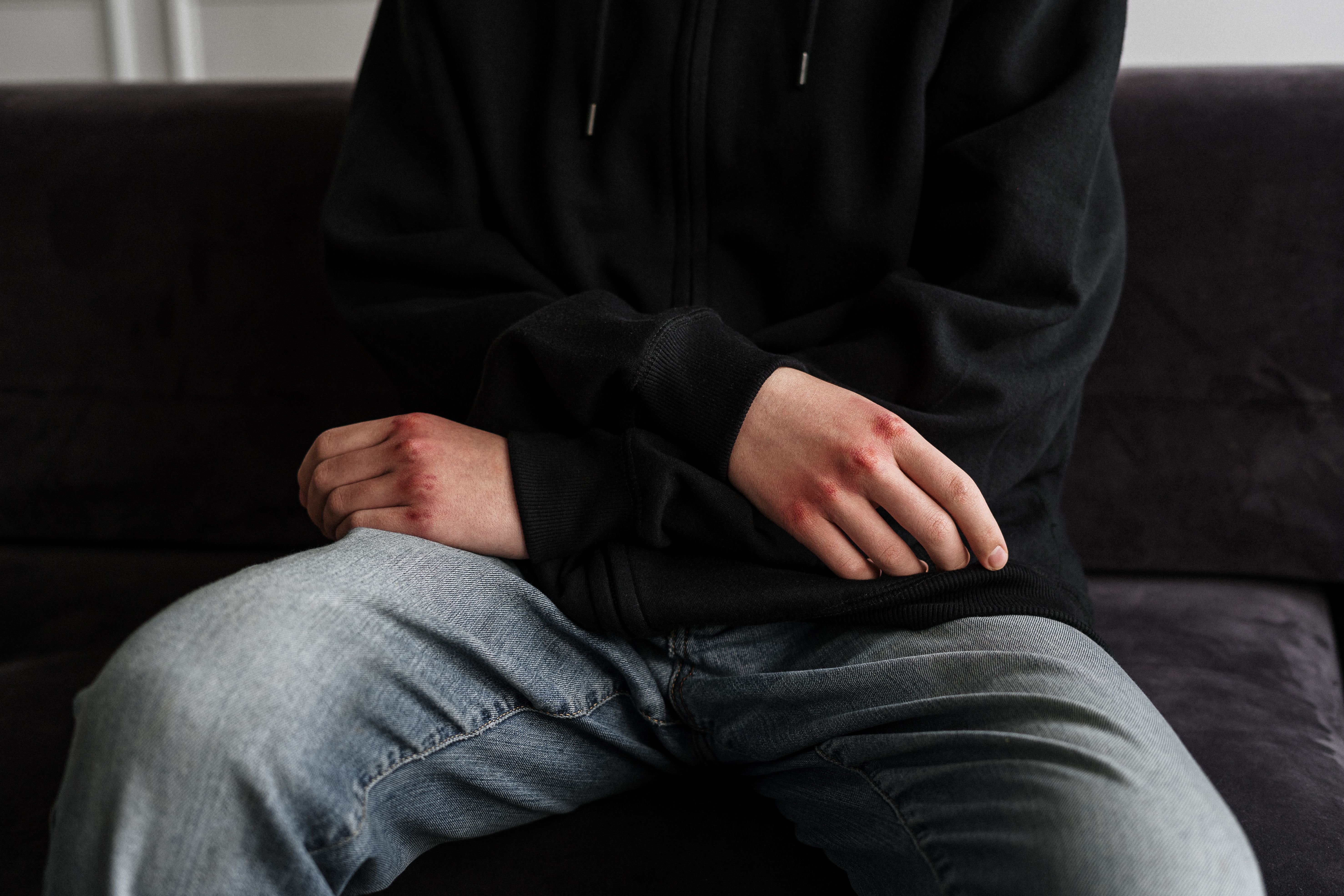
Discovering that your teen is struggling with anxiety or self-harm can be one of the most frightening experiences a parent faces. You may feel overwhelmed, confused, scared, or unsure how to help.
The good news is that recovery is possible. With early intervention, professional support, and compassionate parenting, teens can learn healthier ways to manage emotional distress.
Many parents are surprised to learn that self-harm is often connected to anxiety, emotional overwhelm, depression, trauma, or difficulties regulating emotions.
Self-harm may include:
For many teens, self-harm is not a suicide attempt. Instead, it can be a coping mechanism used to temporarily relieve intense emotional pain.
That said, self-harm should always be taken seriously and evaluated by a mental health professional.
Common warning signs include:
The earlier concerns are identified, the sooner support can begin.
Your initial reaction matters.
While it's natural to feel scared or angry, responding with panic or punishment may increase your teen's shame and discourage future communication.
Instead, focus on creating emotional safety.
Try saying:
"I've noticed you've been struggling lately, and I want to understand what's going on."
Open-ended questions encourage conversation and help teens feel heard.
Comments such as:
can unintentionally increase feelings of guilt and isolation.
Validation does not mean agreeing with every thought. It means acknowledging that their emotions feel real and significant.
Try:
"That sounds incredibly stressful."
or
"I can see how overwhelmed you've been feeling."
Consistent sleep schedules, family meals, exercise, and daily structure help reduce anxiety and improve emotional regulation.
Help your teen explore alternatives such as:
Academic, athletic, and social expectations can contribute to anxiety. Focus on effort and well-being rather than perfection.
Professional support is strongly recommended when:
A licensed therapist can help identify underlying causes and teach effective coping strategies to teens and their families.
Evidence-based approaches include:
CBT helps teens identify and challenge unhelpful thought patterns that contribute to anxiety.
DBT is particularly effective for self-harm and emotional regulation difficulties. Teens learn practical skills for managing distress and improving relationships.
Family involvement often strengthens treatment outcomes and improves communication.
Not always. However, self-harm increases risk factors and should always be professionally evaluated.
Safety planning should be discussed with a therapist. In many situations, limiting access to harmful tools is appropriate.
Yes. Anxiety frequently causes headaches, stomachaches, fatigue, muscle tension, and sleep difficulties.
If your teen is experiencing anxiety or self-harm, remember that you do not have to navigate it alone.
At Power of Hope Counseling, we help teens and families develop healthier coping strategies, improve emotional regulation, and build resilience. With the right support, healing is possible, and hope can be restored.
Parents often worry that their relationship with their teen may never improve. But healing is possible when families receive the right support.
At Power of Hope, the focus is on helping teens and families reconnect through compassion, communication, accountability, and emotional growth.
Whether a teen is struggling with anxiety, substance use, emotional stress, or family conflict, support programs can help adolescents feel understood while giving parents the tools they need to create a healthier home environment.
Families across Boston, Worcester, Springfield, Lowell, and surrounding Massachusetts towns are discovering that they do not have to navigate these challenges alone.
If your teen is struggling with anxiety, emotional stress, or drug use, support is available for families across Boston, Danvers, Andover, Medford, Lowell, and surrounding Massachusetts communities. Healing begins with one conversation.
We believe every child deserves the chance to grow, learn, and thrive without the burden of addiction. Let’s give our teens the tools they need to build a healthier tomorrow.